The Trust Economy: Why Closed User Groups Are the Future of Exclusive Commerce
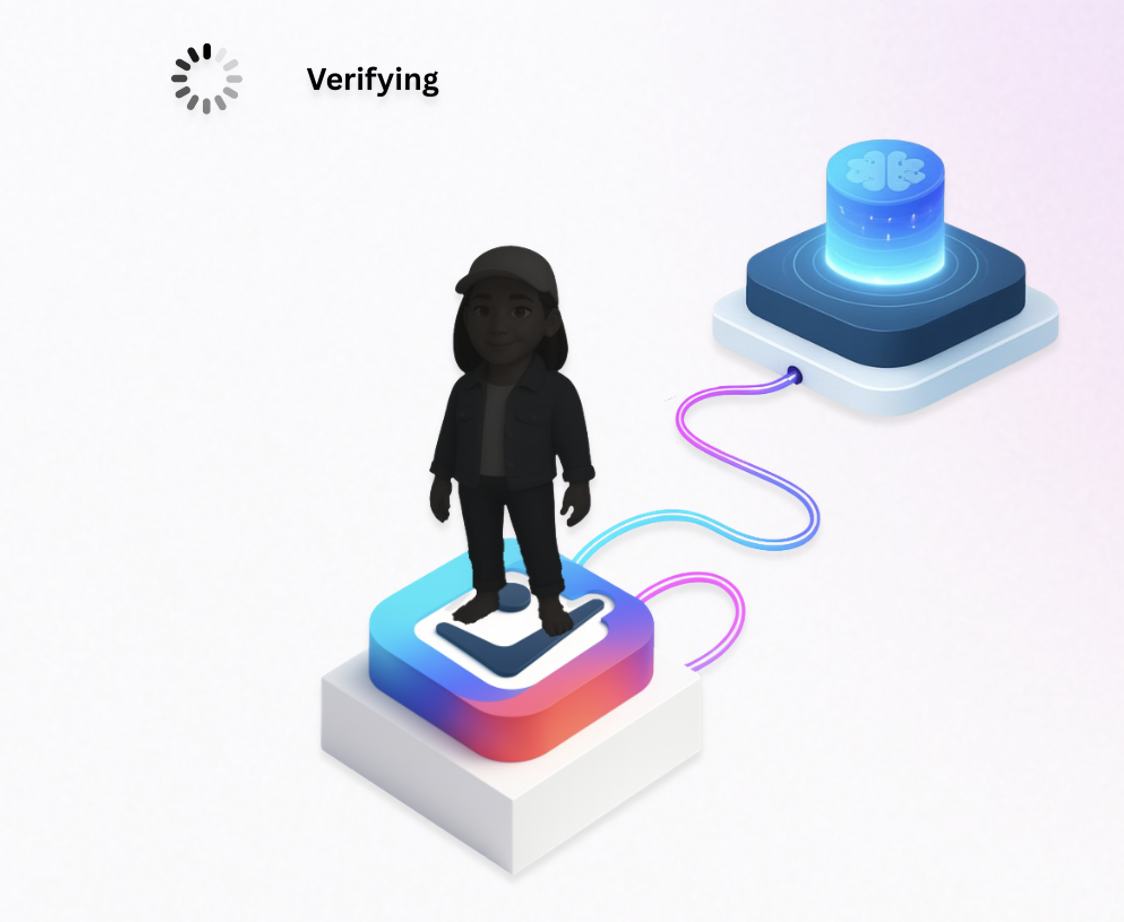
How Brands Stop Discount Abuse, Increase Loyalty, and Take Control of Their Customer Data
Introduction: The Erosion of Value
In the age of viral deals and shared coupon codes, the idea of an "exclusive offer" has collapsed. A 20% discount intended for teachers or military personnel now ends up on public coupon sites within hours. When that happens, two things occur:
- Discount Abuse: revenue leaks as unauthorised users redeem high-value offers.
- Value Diminishment: the intended audience feels less appreciated because their "exclusive" perk is no longer exclusive.
To restore meaning, brands must move beyond simple codes toward Verified, Closed User Groups (CUGs)—gated, identity-driven segments built on trust, not hope.
What Are Closed User Groups (CUGs)?
A Closed User Group is a verified, gated segment of customers who receive exclusive access to offers, content, and experiences based on a proven identity or affiliation—such as active students, first responders, local residents, or teachers.
CUGs go far beyond an email list.
They are built on high-trust identity verification, ensuring the customer truly belongs to the group you want to reward. This creates a foundation of exclusivity, security, and strategic precision that traditional discounting cannot match.
3 Reasons Why CUGs Drive High-Value Loyalty
1. The Power of Exclusivity: Scarcity That Converts
When customers know their perk is truly gated—impossible to share or exploit—the perceived value rises dramatically. Exclusive access taps into the psychology of belonging.
Result: higher conversion, deeper emotional connection, and increased lifetime value (LTV).
2. Eliminating Fraud and Protecting Margins
Discount abuse destroys profitability. Verified CUGs stop this instantly.
Verification ensures:
- Only the intended user receives the offer
- Margin dilution is minimized
- Brands can confidently offer better discounts to verified audiences without fear of leakage
This restores control. The brand decides the value of the offer—not a coupon aggregator.
3. Creating Strategic, High-Value Audience Segments
Verification unlocks precise, powerful targeting.
Instead of generic "Student offers," brands can create segments like:
- Verified First Responders for wellness and recovery products
- Verified Local Residents for store pickup promotions
- Verified Industry Professionals for B2B bundles
These campaigns feel like customer service, not mass marketing.
Verification: The Key to Frictionless Gating
Historically, verification was painful. Upload documents. Wait days. Abandon the process.
Modern AI-driven verification changes everything.
Platforms like Thrivify verify users instantly and invisibly, typically in seconds. No friction, no frustration. The user gets their reward immediately, and the brand receives high-trust identity data with zero operational burden.
Why Thrivify Is Better Than Third-Party Apps
Most brands rely on external verification apps out of habit. But these platforms introduce structural problems that quietly cost brands millions in lost revenue, lost loyalty, and lost data.
Thrivify solves these problems by bringing verification into the brand's own ecosystem. Here's why that matters.
| Problem | Third-Party Apps | Thrivify |
|---|---|---|
| Audience Ownership | App owns the user relationship and data | You own verification data in your ecosystem |
| User Behaviour | Trains users to browse competitor discounts | Users stay on your site, emotionally tied to your brand |
| Conversion | 20-40% drop-off when users leave site | Closed-loop: Visit → Verify → Unlock → Purchase |
| Data Integration | Cannot enrich CRM/CDP or personalise | Verified identity + preference data + on-site activation |
1. Third-Party Apps Own the Audience — Not You
When verification happens off-site: the app owns the user relationship, the app owns the data, the app can retarget users to competitors. You rent access to "your" customers instead of owning them.
Thrivify reverses the model: Verification happens on your site, and the audience becomes part of your owned data graph. This is a strategic moat, not a rented asset.
2. Off-Site Marketplaces Encourage "Offer Shoppers," Not Loyalty
Third-party platforms run marketplaces filled with competing offers. This trains users to leave your site, claim your discount, browse competitor discounts, and buy from whoever is cheapest that day. Your exclusive offer becomes a commodity.
With Thrivify: Users stay on your site, verification is inline, and the reveal moment is tied emotionally to your brand. That's what builds loyalty.
3. Off-Site Verification Leaks Revenue at Every Step
When users leave your site to verify: drop-off skyrockets, cart abandonment increases, conversion craters, and attribution becomes murky. Even a 20–40% verification drop-off wipes out the value of the discount.
Thrivify keeps everything inside your conversion funnel: Visit → Verify → Unlock → Purchase. A clean, closed-loop path.
4. Third-Party Apps Don't Feed Verification Data Into Your Personalisation Stack
This is the biggest strategic limitation. When verification happens elsewhere, you cannot: enrich your CRM or CDP, combine verification with zero-party data, run hyper-targeted personalisation, create dynamic onsite experiences, or build your own identity-driven audience segments.
You get the discount outcome but lose the intelligence. Thrivify gives you both: verified identity + preference data + on-site activation.
Why Owning Verified Data Matters
Verification data is the highest-quality identity signal a brand can hold. It is:
- Evergreen
- Privacy-safe
- Compliant
- Actionable
- Strategically differentiating
And most importantly—it is not guesswork. Identity data is exponentially more valuable than behavioural data.
Owning this data enables: highly personalised product recommendations, gated shopping experiences, loyalty programs with meaningful segmentation, sophisticated audience models, and AI-powered offers that feel like concierge service.
It is the backbone of modern commerce.
Conclusion: The Future of High-Trust Commerce
As privacy regulations tighten and third-party cookies disappear, brands must rethink how they build relationships. Verified Audiences and Closed User Groups represent the next evolution: a way to reward customers with genuine exclusivity, eliminate fraud, and create high-value identity-based segments.
And the brands that win will be those that own their verification, own their zero-party data, and own the customer relationship end-to-end.
The economy of the next decade is built on trust — and trust starts with knowing exactly who your customer is.
Ready to build your own Closed User Groups?
Discover how Thrivify helps you create verified, gated segments that drive loyalty, eliminate fraud, and give you full ownership of your customer data.
Learn More About Verification