What Is Zero-Party Data (ZPD)? The Foundation of High-Trust Personalization
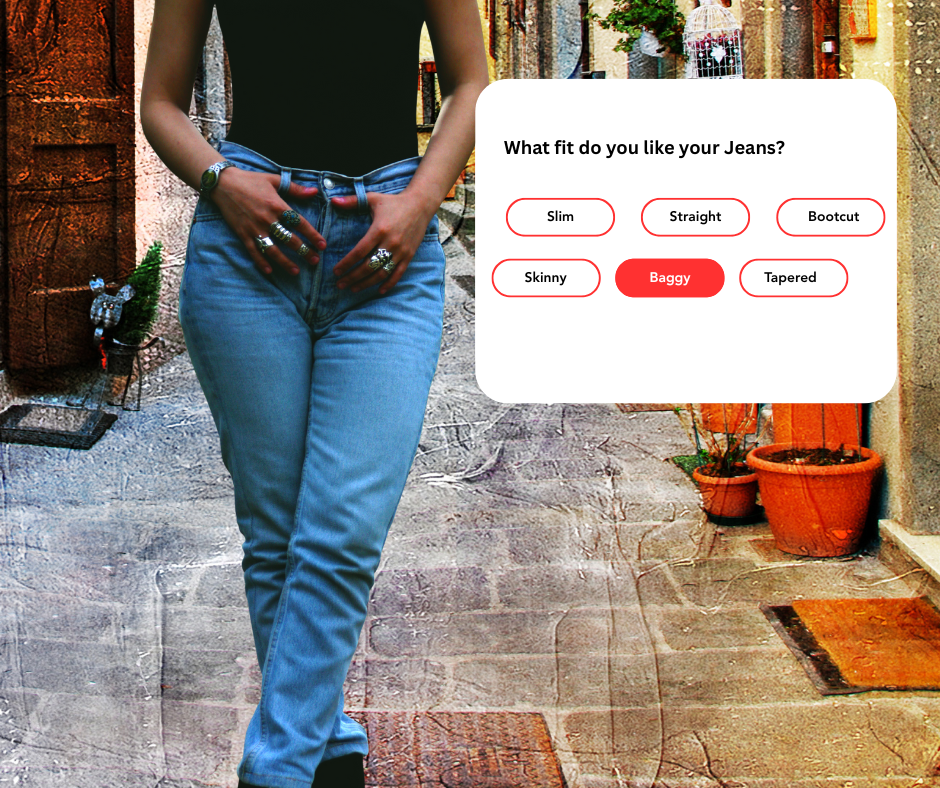
The Data Landscape Has Changed. Has Your Strategy?
As the digital world shutters the door on third-party tracking, marketers are facing a crucial reality: personalization is still expected by customers, but the traditional data sources for it are rapidly disappearing. The solution isn't to guess—it's to ask.
Enter Zero-Party Data (ZPD).
What Exactly Is Zero-Party Data?
Zero-Party Data is information that a customer intentionally, proactively, and freely shares with a company.
Unlike First-Party Data, which is inferred through behavior (e.g., the customer clicked on five running shoes), ZPD is an explicit declaration of intent or preference (e.g., "I am a size 9 trail runner who prioritizes sustainability.").
| Data Type | How It's Collected | Key Advantage |
|---|---|---|
| Zero-Party Data (ZPD) | Explicitly given by the customer via quizzes, preference centers, or forms. | Accuracy and Trust. It's what the customer says they want. |
| First-Party Data | Observed through customer behavior on your properties (site clicks, purchase history). | Ownership. You own the data; it reflects actual spending. |
| Third-Party Data | Aggregated, inferred data collected and sold by a separate entity. | Scale. It offers a wide, but often shallow, pool of external data. |
The Power of the Value Exchange
ZPD is the cornerstone of a healthy customer relationship because it operates on a transparent Value Exchange.
Customers are willing to share information—their shoe size, their color preference, their lifestyle—but only in return for a clear benefit: a more relevant, frictionless, and personalized shopping experience.
Why ZPD Is Now a Business Priority
For modern e-commerce brands, collecting Zero-Party Data is not optional—it's essential for competitive survival.
1. Eliminating the "Creepy Factor"
Traditional tracking often leaves customers feeling exposed. When you use ZPD, the customer is fully aware they provided the information, so when they see a personalized offer, it feels like customer service, not surveillance. This transparency builds the long-term trust that fuels brand loyalty.
2. Solving the Personalization-Privacy Paradox
Customers demand personalization but fear for their privacy. ZPD resolves this paradox:
- Privacy is honored: Data is given with explicit consent.
- Personalization is enabled: The data is accurate and directly informs the customer's needs and purchasing factors.
3. Accuracy is Guaranteed
Since ZPD comes directly from the source, there is no guesswork or inference required. This high level of accuracy ensures that your Targeted Offers land with precision, reducing wasted inventory and improving campaign ROI.
How to Collect and Activate ZPD (The Thrivify Approach)
Collecting ZPD should not feel like an inquisition. It should be a natural, engaging part of the user journey.
- Interactive Quizzes and Forms: Using dynamic tools (like your Quiz Builder) that automatically guide the user to the Next Best Question ensures high completion rates and a fun experience.
- Preference Toggles: Empowering users to easily toggle their interests (e.g., "Show me High-Rise Leggings") not only collects data but instantly filters their experience, providing immediate value.
- Unifying Data with Identity: Combining ZPD with a Verified Identity (e.g., a customer is both a 'Size 9' AND a 'Verified Student') creates a powerful, high-trust segment that unlocks your most valuable offers.
By prioritizing ZPD, you are building a marketing strategy that is not dependent on external changes, but is instead powered by the reliable, valuable data provided willingly by the customer you serve.
Ready to harness the power of Zero-Party Data?
Discover how Thrivify helps you collect, activate, and unify Zero-Party Data with verified customer identities to unlock your most valuable offers.
Learn how we can help